
Evaporative Cooling Solutions in Industrial Workshops: How and Why They Work
Learn how evaporative cooling works, why it uses up to 80% less energy, and how to integrate it safely alongside your existing LEV system.

Learn how evaporative cooling works, why it uses up to 80% less energy, and how to integrate it safely alongside your existing LEV system.
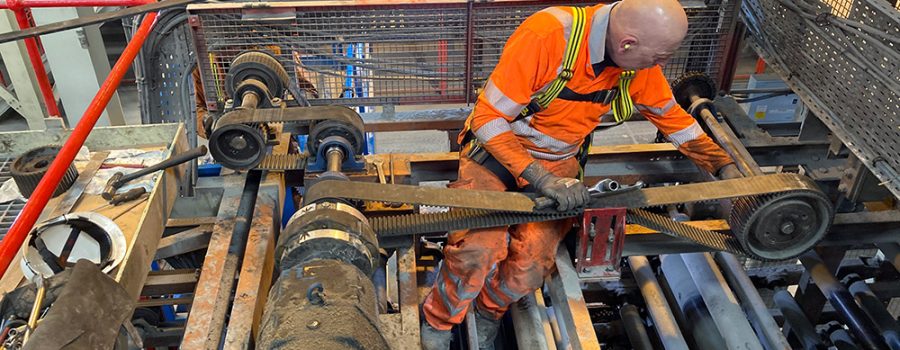
The mistakes businesses make most often with extraction systems and the straightforward steps to avoid each one.
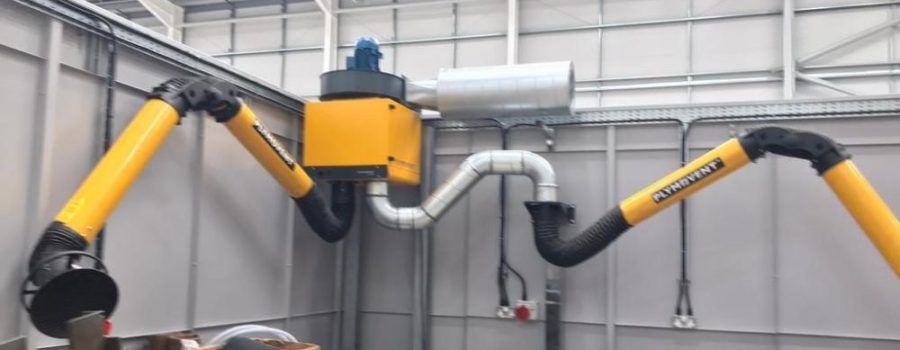
We cover how a well-designed LEV system protects your workforce’s health, confirms compliance and reduces long-term operating costs.

We compare LEV to general ventilation and explain why source extraction is the most effective and legally compliant method for controlling workplace hazards.
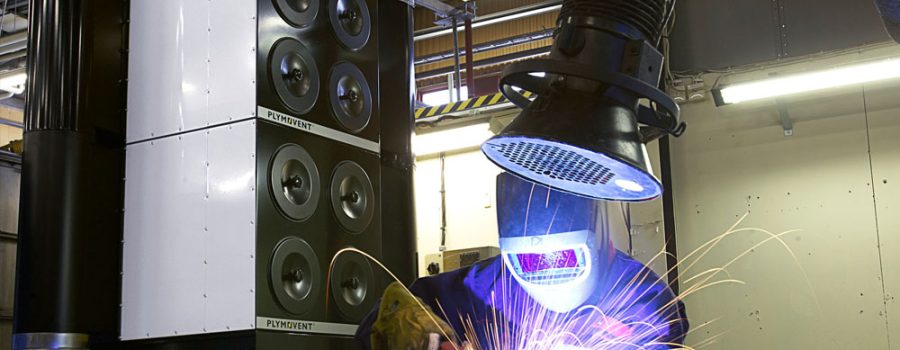
What are Workplace Exposure Limits are, how they are measured and why LEV systems are the most effective engineering control for keeping exposure within legal limits.
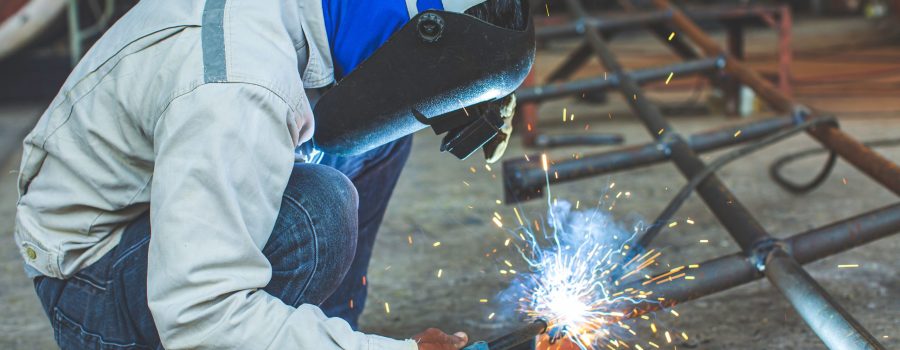
We cover the main types of workplace airborne contaminants and the practical ventilation strategies, housekeeping practices and monitoring approaches that keep them under control.

We explain the purpose of an LEV system, how it works and how to determine whether your workplace has a legal obligation to have one in place.
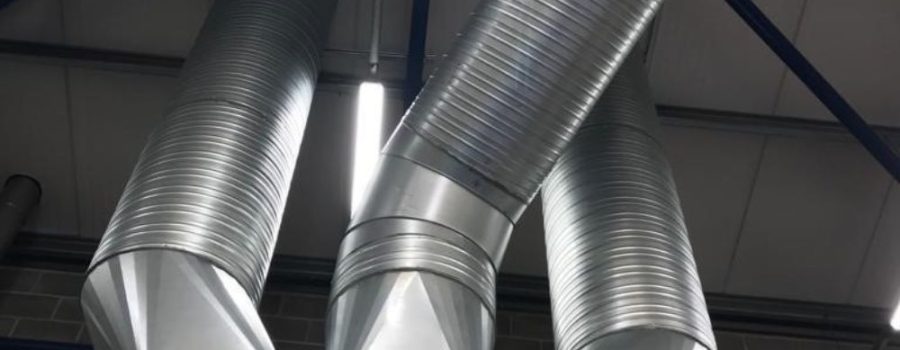
We explain what local exhaust ventilation is, how it works and which industries rely on it most to meet their COSHH obligations.
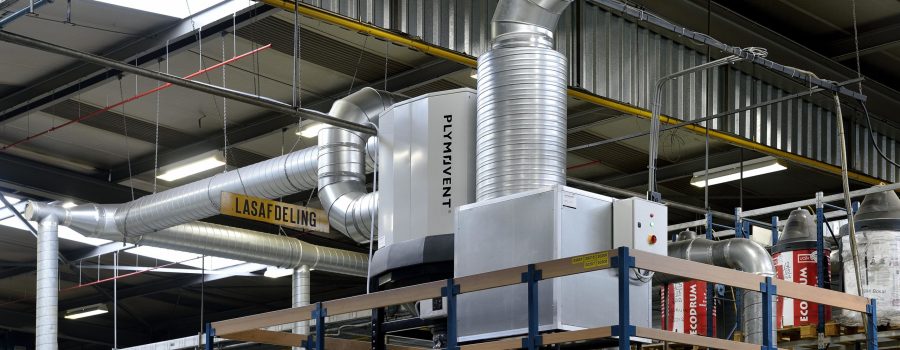
We explain the key differences between general dilution ventilation and LEV, and help you understand which approach is right for your workplace.
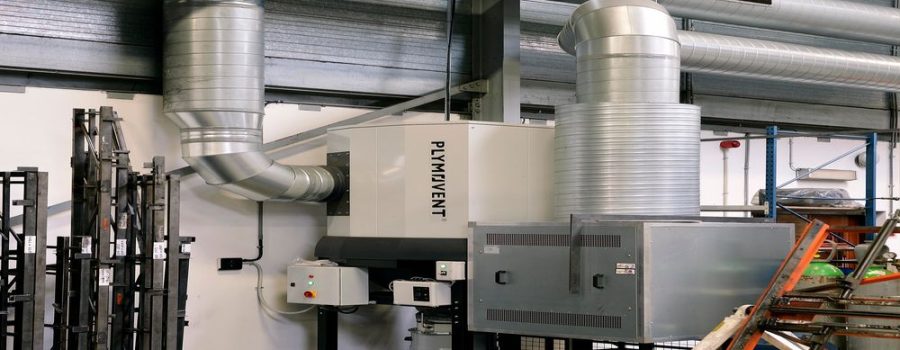
We explain how to keep your LEV system performing effectively, covering cleaning schedules, regular testing requirements and record-keeping under COSHH.