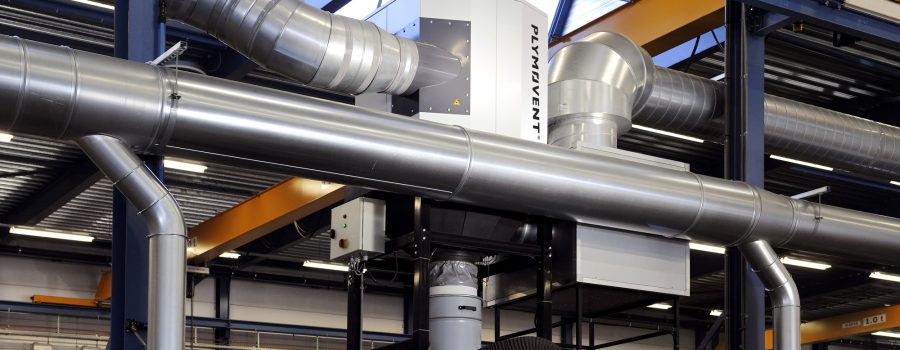
Preparing Your LEV System for 2026: Compliance Updates and Best Practice for...
This guide covers the key checks, documentation and upgrades your business should action now.

This guide covers the key checks, documentation and upgrades your business should action now.
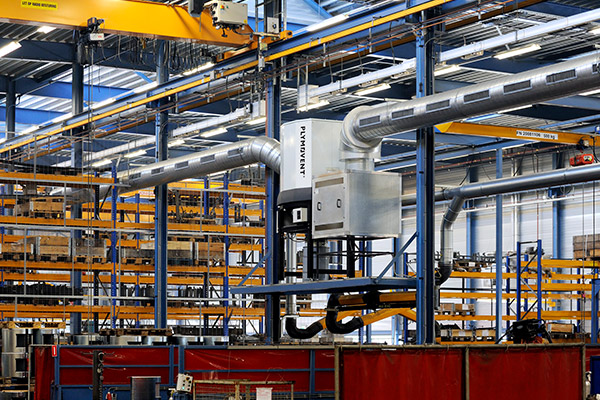
Find our exactly what a Thorough Examination and Test involves, what your report must contain, and how to prepare your system.
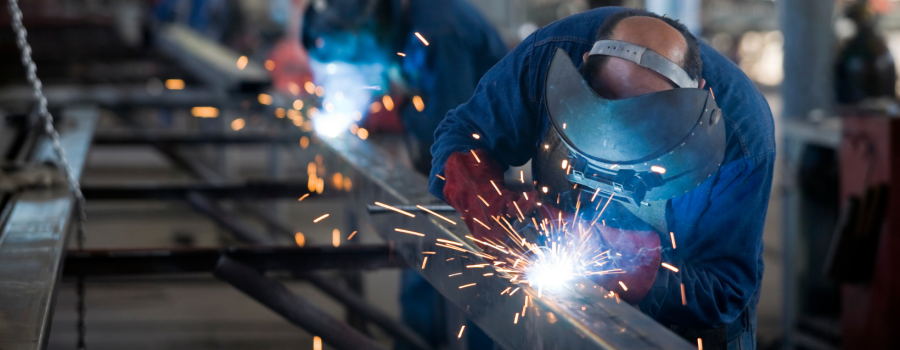
We guide you through the key factors to help you choose the right extraction arm for your welding or fabrication shop.
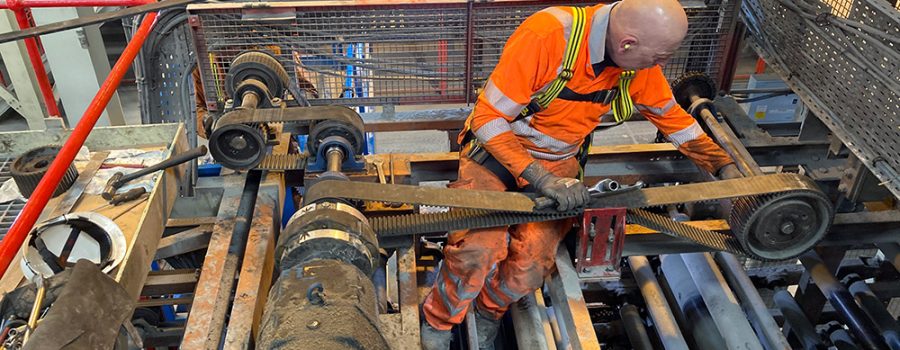
The mistakes businesses make most often with extraction systems and the straightforward steps to avoid each one.
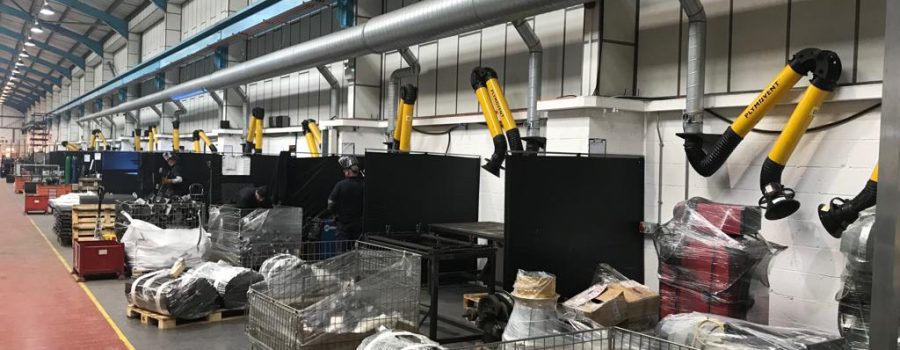
Learn about why identifying your contaminants correctly is the essential first step before any LEV system can be designed.
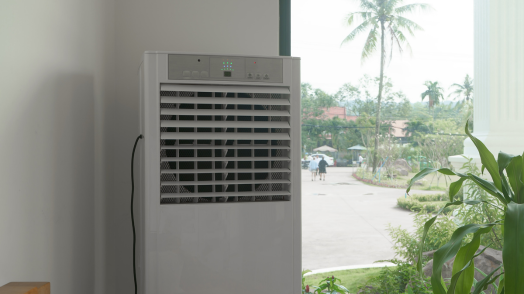
How evaporative cooling works using water evaporation, why it uses far less energy than traditional air conditioning, and where it works best.
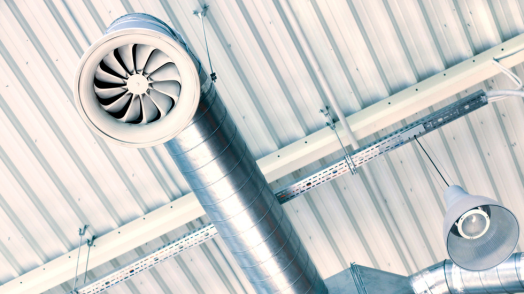
We explain the key components of workplace ventilation systems, the difference between general and local exhaust ventilation, and how both help meet COSHH obligations.
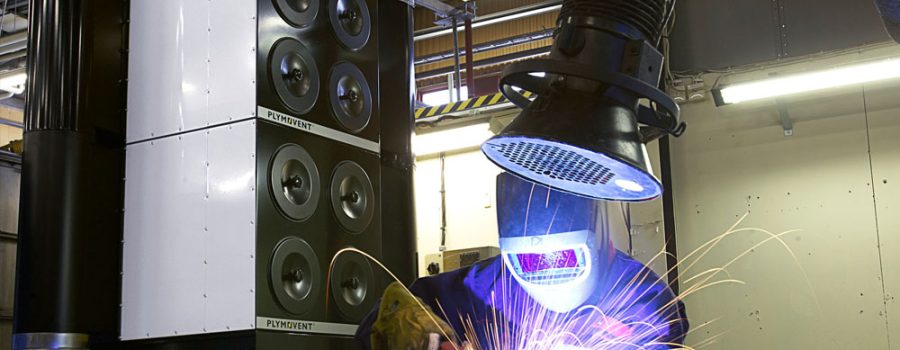
What are Workplace Exposure Limits are, how they are measured and why LEV systems are the most effective engineering control for keeping exposure within legal limits.
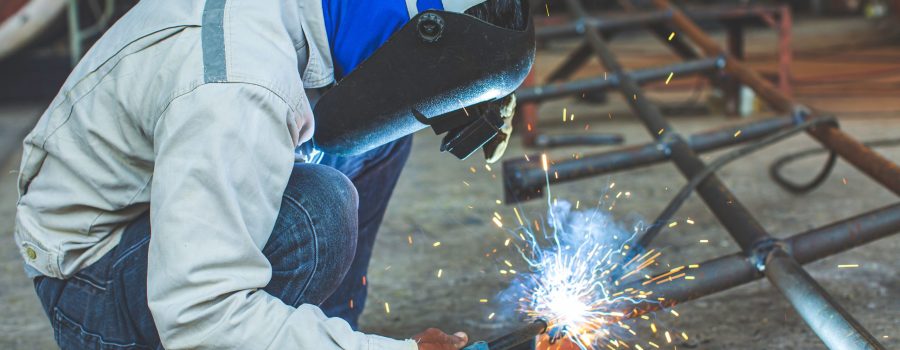
We cover the main types of workplace airborne contaminants and the practical ventilation strategies, housekeeping practices and monitoring approaches that keep them under control.
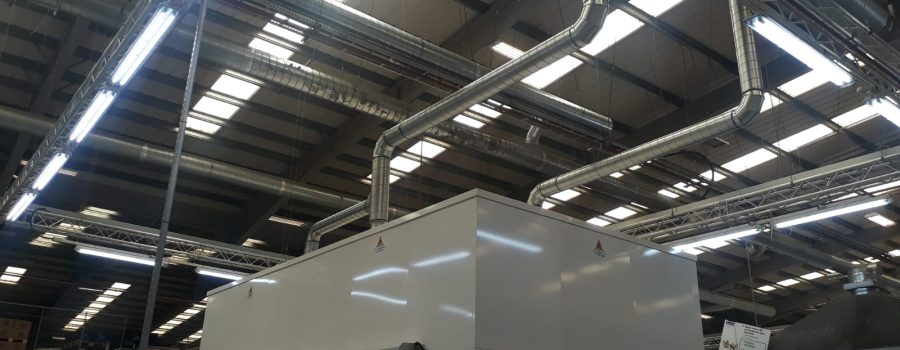
We explain how dust extraction systems work, the serious health risks of prolonged dust exposure and the engineering controls that keep workers protected.